2nd New Jersey Regiment

The 2nd New Jersey Regiment was part of Maxwell’s Brigade in the Continental Army.1 Richard Howell served as Major of this regiment, the military role that defined the first half of his public life.

History#

The regiment was organized in December 1775 at Burlington and Trenton, drawing recruits from Gloucester, Huntington, Burlington, Salem, and Sussex Counties, New Jersey.2

At Valley Forge (Winter 1777–1778)

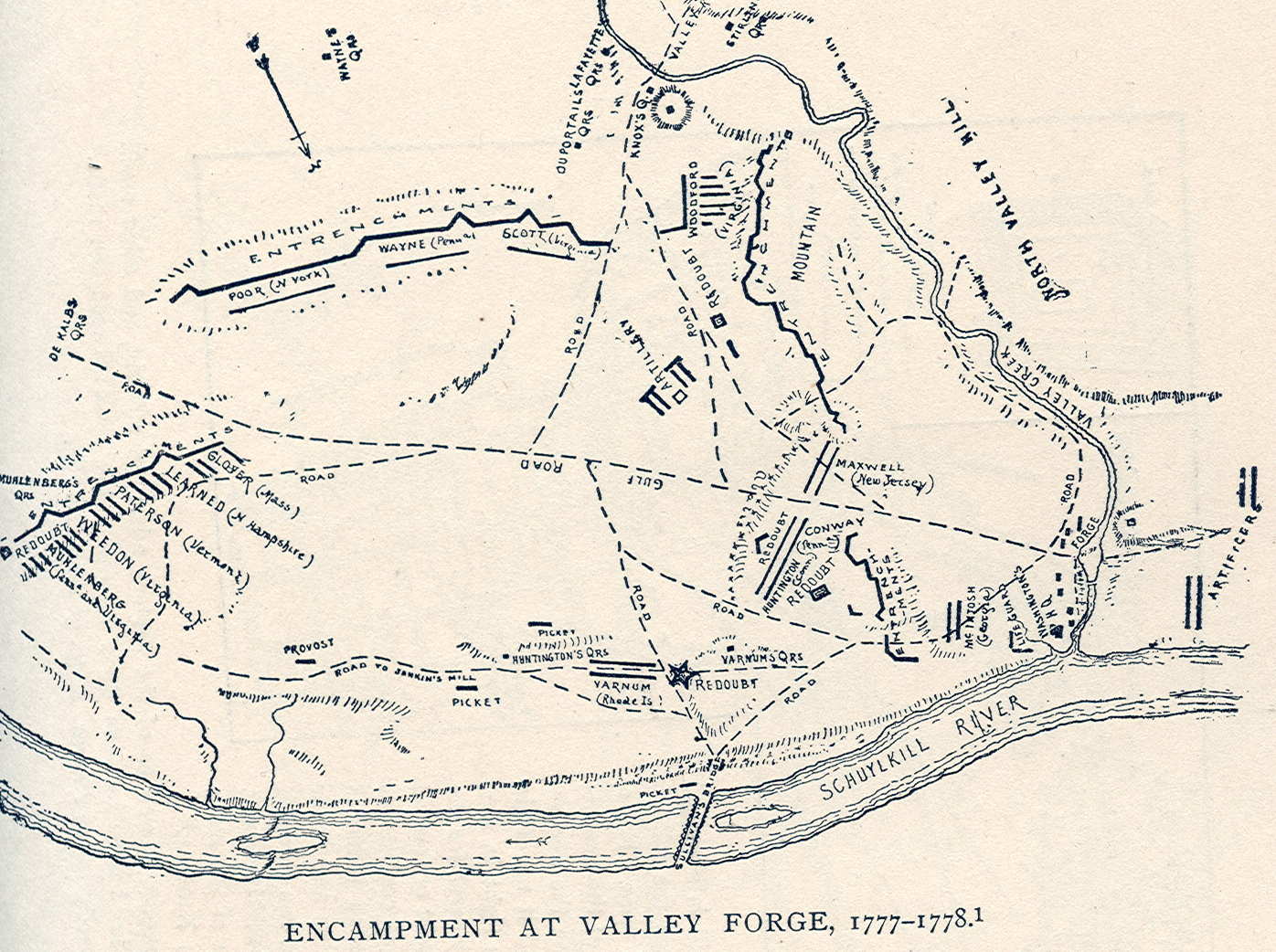
The regiment entered Valley Forge with 275 men assigned, of whom 204 were fit for duty, a testament to the brutal attrition of that winter encampment. By the time the army departed in March 1778, the regiment had been reinforced: 443 assigned, 373 fit for duty.3
Documents

Here is a list of documents we have collected over the years. All documents are in PDF format.1

DocumentDescription
New Jersey Historic Society NewsPamphlet on New Jersey Historical sites and activities, published by the New Jersey Historical Society
Governor HowellShort biographical sketch of Richard Howell2
2nd New Jersey ReturnsDiscussion of the 2nd New Jersey Regiment and its activities during the Revolutionary War3
History of New Jersey from Its Early YearsA history of New Jersey from its earliest settlement
New Jersey as a Colony and as a StateNew Jersey from colony to statehood
History of the New Jersey BrigadeTimeline and history of the New Jersey Brigade in the Continental Army
The Pennsylvania Magazine of History and BiographyContains a short biographical sketch of Richard Howell, pp. 221–2224
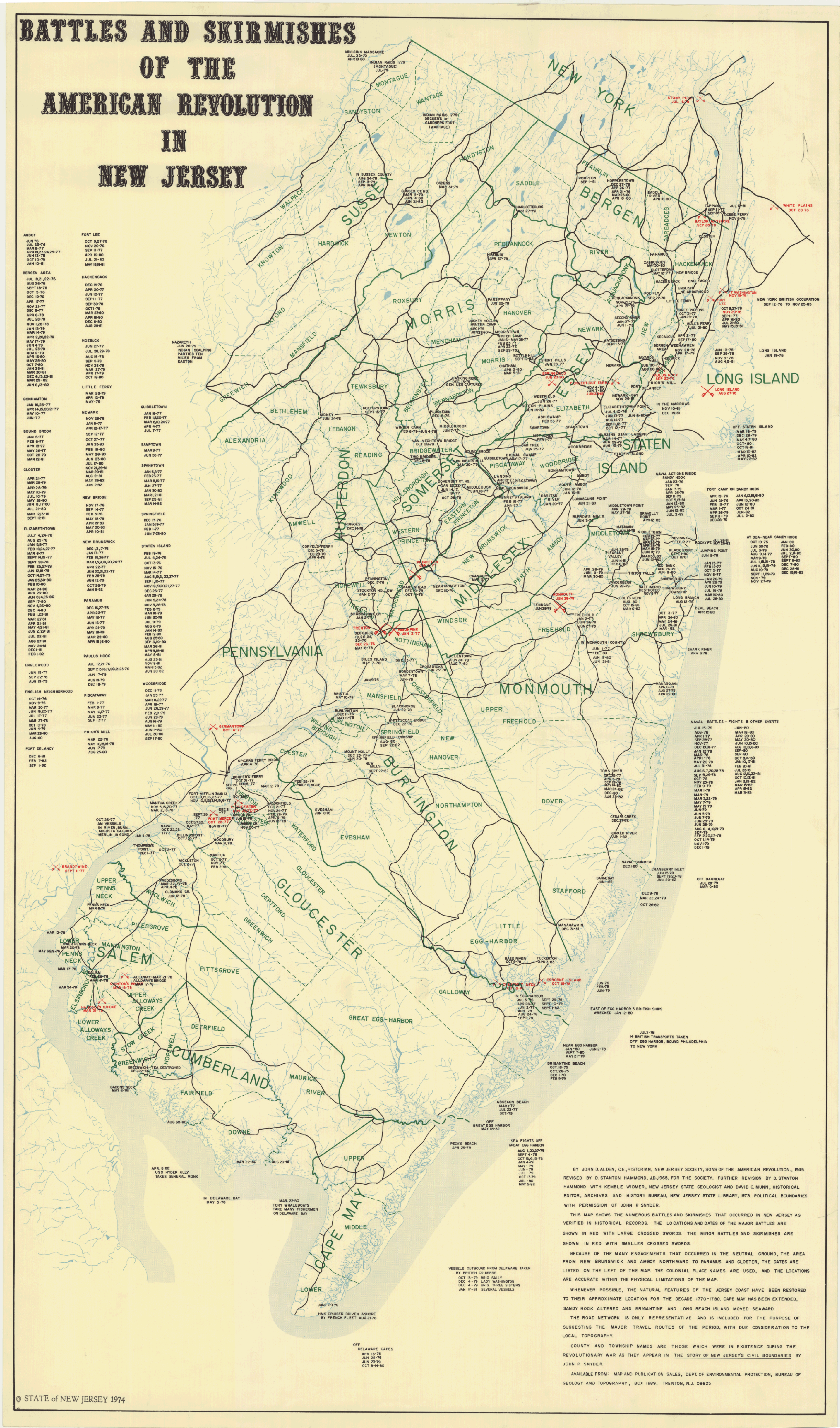
Battles and Skirmishes of the American Revolution in New JerseyA survey of battles fought in New Jersey during the American Revolution
Tea Burners of Cumberland County, New JerseyFrank D. Andrews, The Tea-Burners of Cumberland County (1908), chronicling the Greenwich Tea Burning of December 22, 1774, and the memorial dedication on its 134th anniversary5
Cumberland Patriot Newsletter, Spring 2009Cumberland Patriot Newsletter covering the centennial of the Tea Burning Monument (1908–2008)6


  1. These documents have been collected over the course of more than ten years of family research. Where possible, original publication details are noted below. ↩︎

Dr. Lewis Howell (1754–1778)

Dr. Lewis Howell (1754–1778)

Surgeon for the 2nd New Jersey Battalion


Dr. Lewis Howell was the twin brother of Richard Howell.1 Lewis Howell was a participant in the Greenwich Tea Burning.2 Dr. Howell served as Surgeon for the 2nd New Jersey Regiment.3

Lewis studied medicine under Dr. Jonathan Elmer in Newark, Delaware, at the same time his future regimental colleague Ebenezer Elmer was a student there. Having completed his studies, he was commissioned as Surgeon of the 2nd Regiment in 1777, with Ebenezer Elmer commissioned alongside him as Surgeon’s Mate.4

Letter from Richard Howell to Col. Israel Shreve, 5 October 1778

Below is a transcript of a letter from Richard Howell to his friend, and Commanding Officer, Colonel Israel Shreve1 about some personal letters Richard wrote to his future wife, Kaziah Burr,2 that were left unattended by the mail carrier and opened by an unknown individual. The letters were then presented to “the council,” presumably the Quaker Council of Elders.3 This greatly incensed Richard. It is known that Kaziah was a Quaker. Quakers, being anti-war, generally discouraged their daughters from being involved with military officers.

Major Richard Howell Writes Benedict Arnold, June 20, 1778

Benedict Arnold

Below is a letter that Richard Howell wrote on June 20th, just 8 days before the Battle of Monmouth, which was fought on June 28, 1778.1 It contains vital enemy tactical intelligence for the planning of that battle, to be relayed from Arnold2 to General Maxwell.3 Source citations are at the end of this post. It also describes some of the atrocities the British were visiting on the civilians in New Jersey.

Maps

Here are maps covering the period of Richard Howell’s life and the American Revolution. Also included are maps from the United Kingdom and specifically Wales.1


Maps of Early Family Locations#

MapCaption
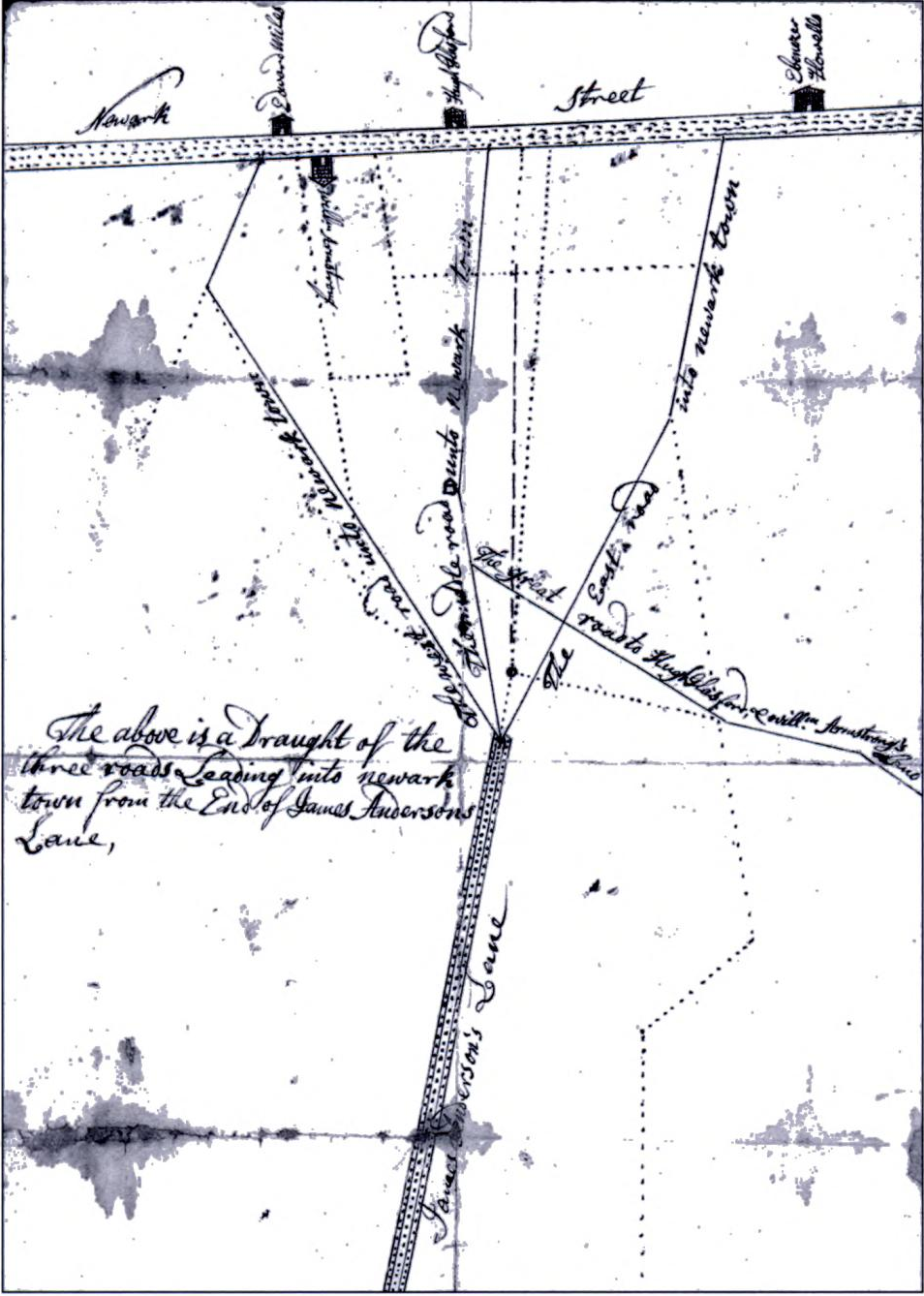
Newark De. 1736Newark, Delaware, 1736, Map of Newark, Delaware at the time Ebenezer Howell’s family lived there before removing to New Jersey in 1769.2

Colonial Period#

MapCaption
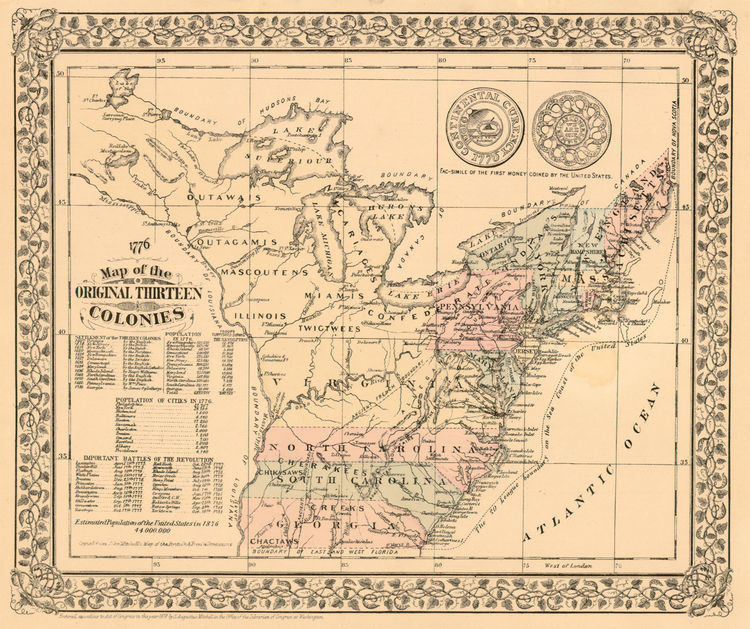
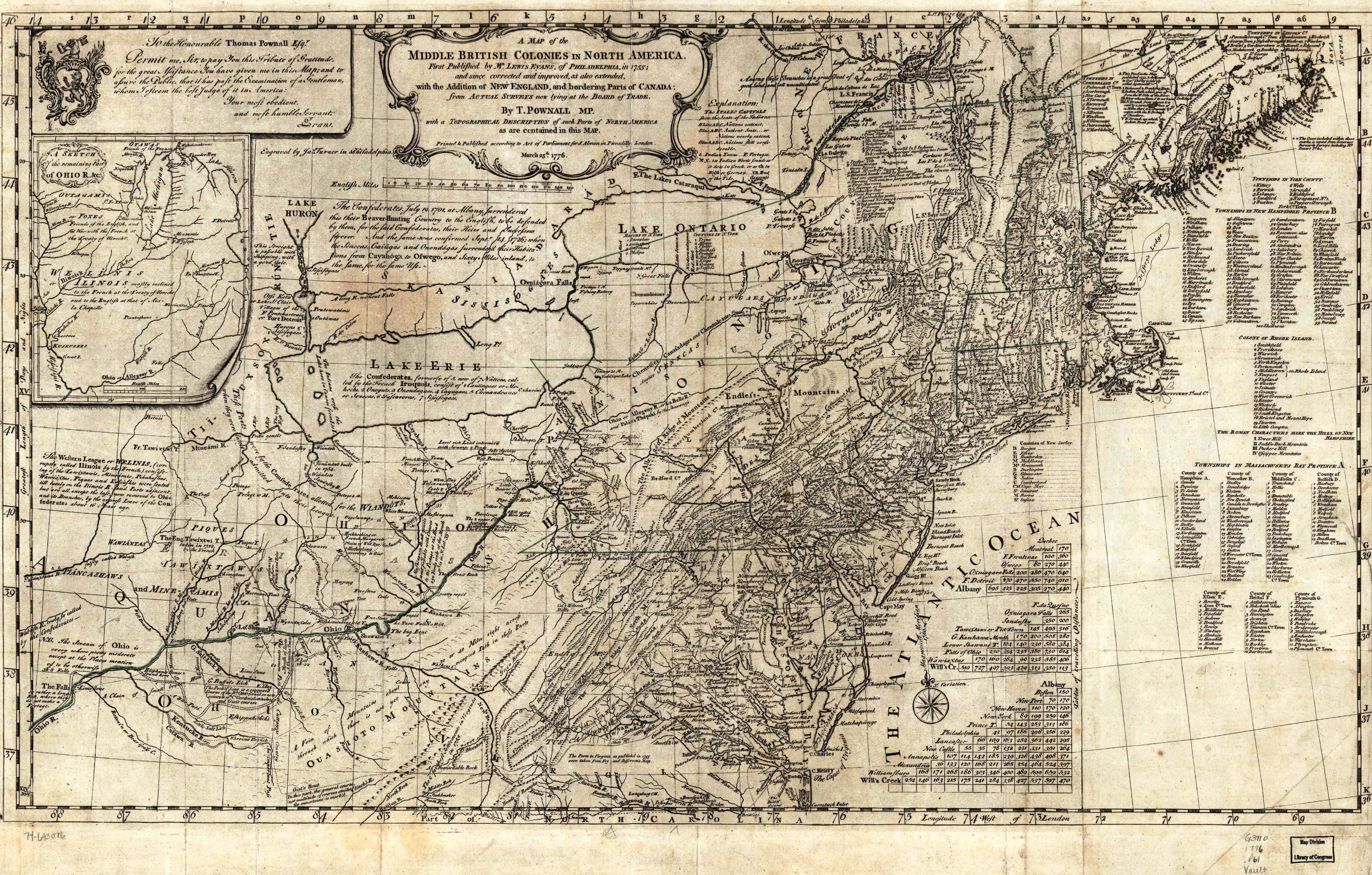
American ColoniesAmerican Colonies, Map of the original American colonies during the colonial period.

Revolutionary War Period#

MapCaption
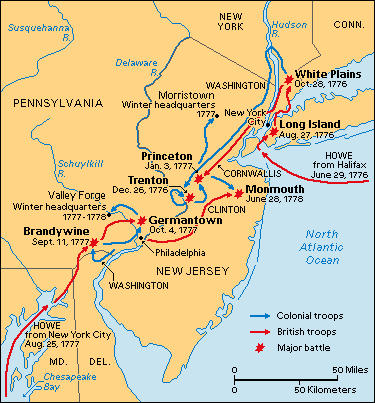
New Jersey BattlesNew Jersey Revolutionary War Battles (1974 map), Map showing the locations of Revolutionary War battles in New Jersey. Richard Howell participated in several of these engagements.
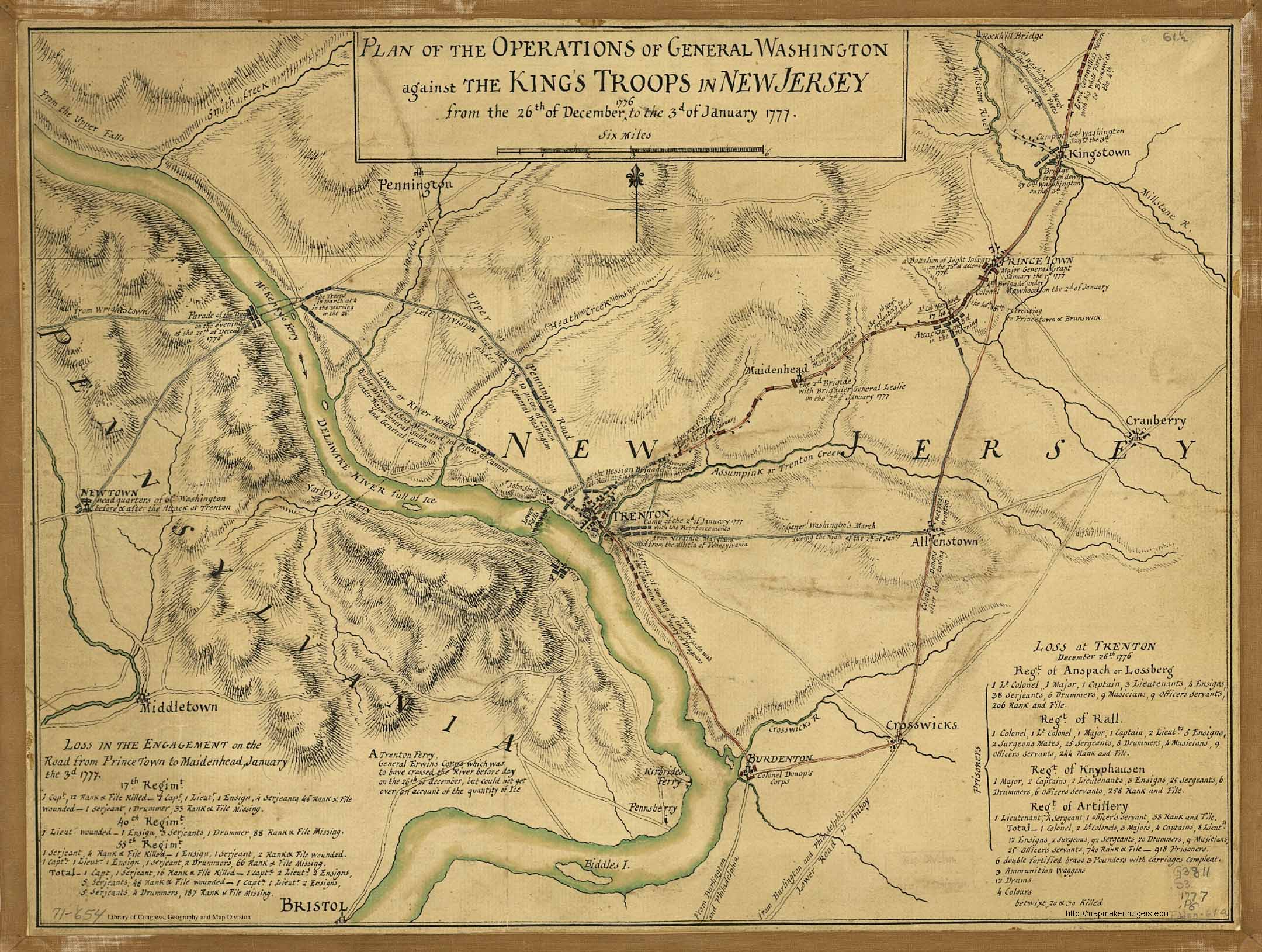
Plan map for the attack on Trenton NJPlan Map for the Attack on Trenton, NJ
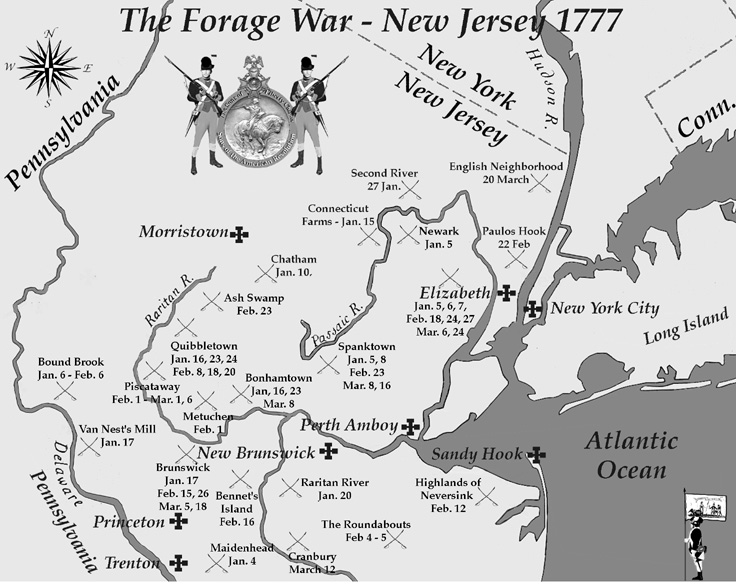
The Forage War 1777The Forage War, 1777, The Forage War was a series of skirmishes in New Jersey in early 1777.
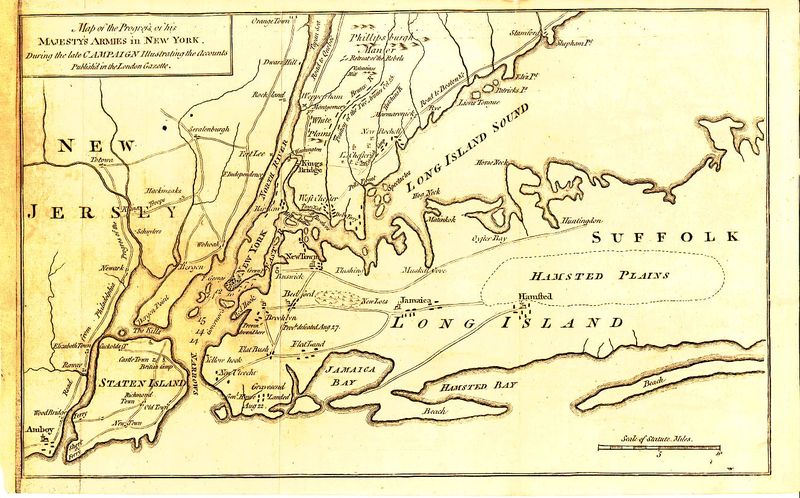
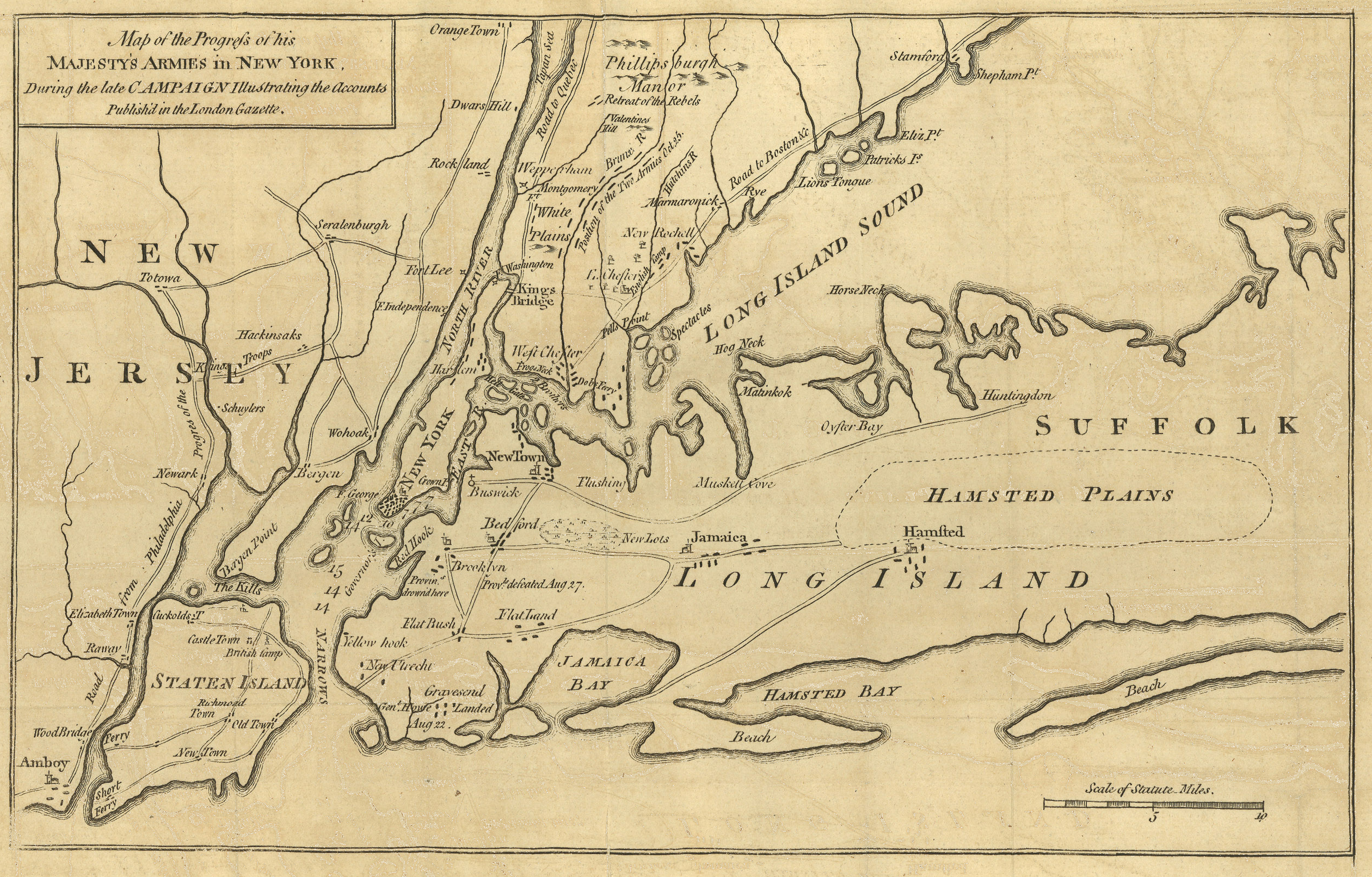
New Jersey and Long IslandNew Jersey and Long Island, Map of New Jersey and Long Island during the Revolutionary War.
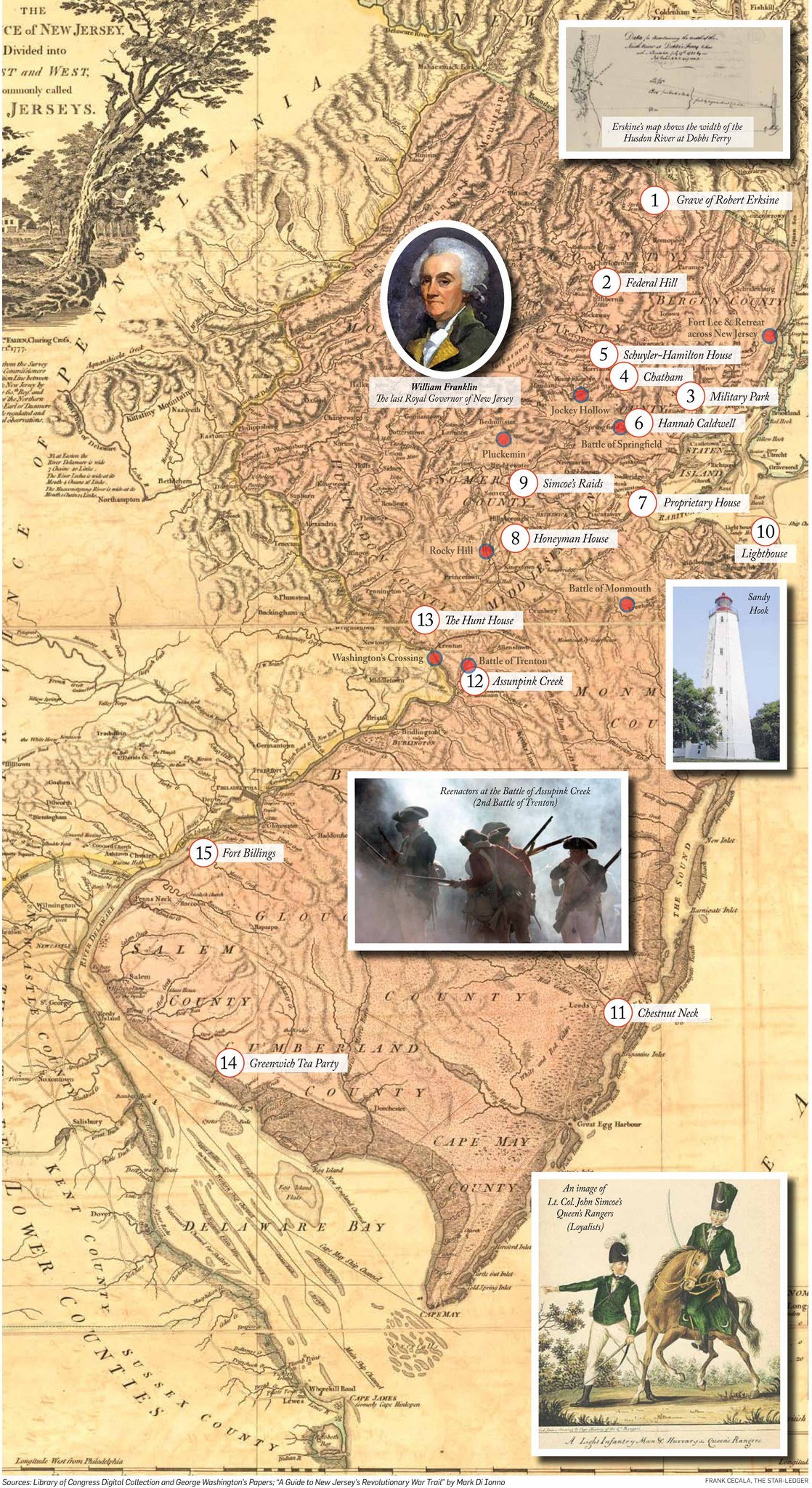
Revolution in New JerseyRevolution in New Jersey, Map of Revolutionary War sites in New Jersey.
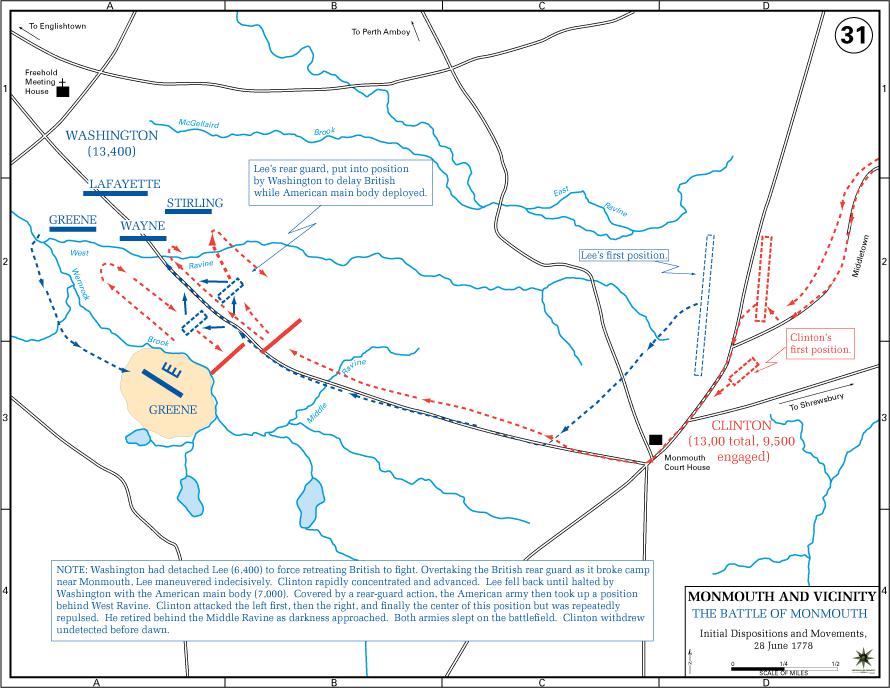
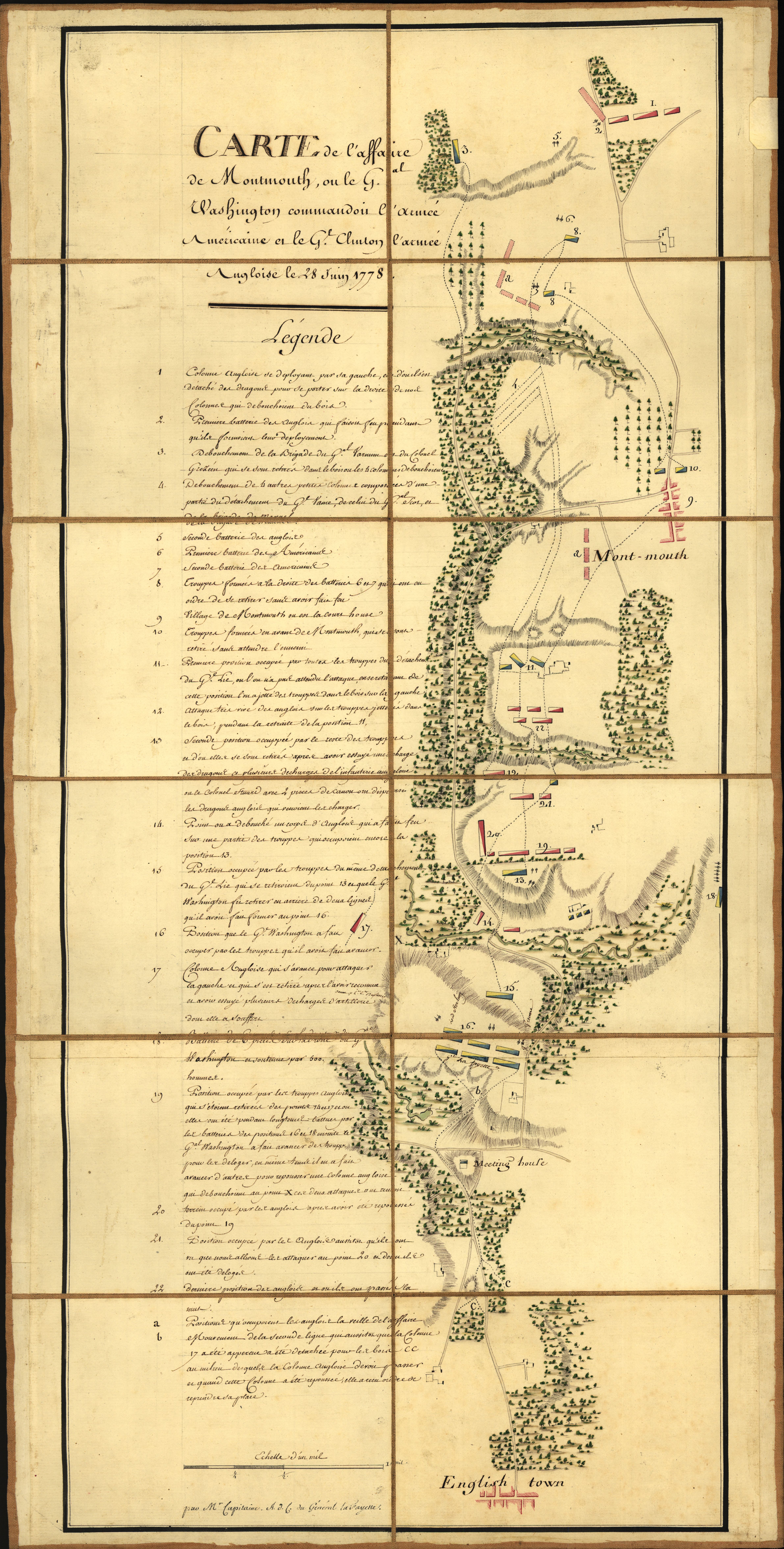
Battle of MonmouthBattle of Monmouth (USMA), Tactical map of the Battle of Monmouth, June 28, 1778.3 Richard Howell fought at Monmouth; his twin brother Dr. Lewis Howell fell ill during the campaign and died shortly after.4
Monmouth MapMonmouth Map, Vintage map of Monmouth County, New Jersey.
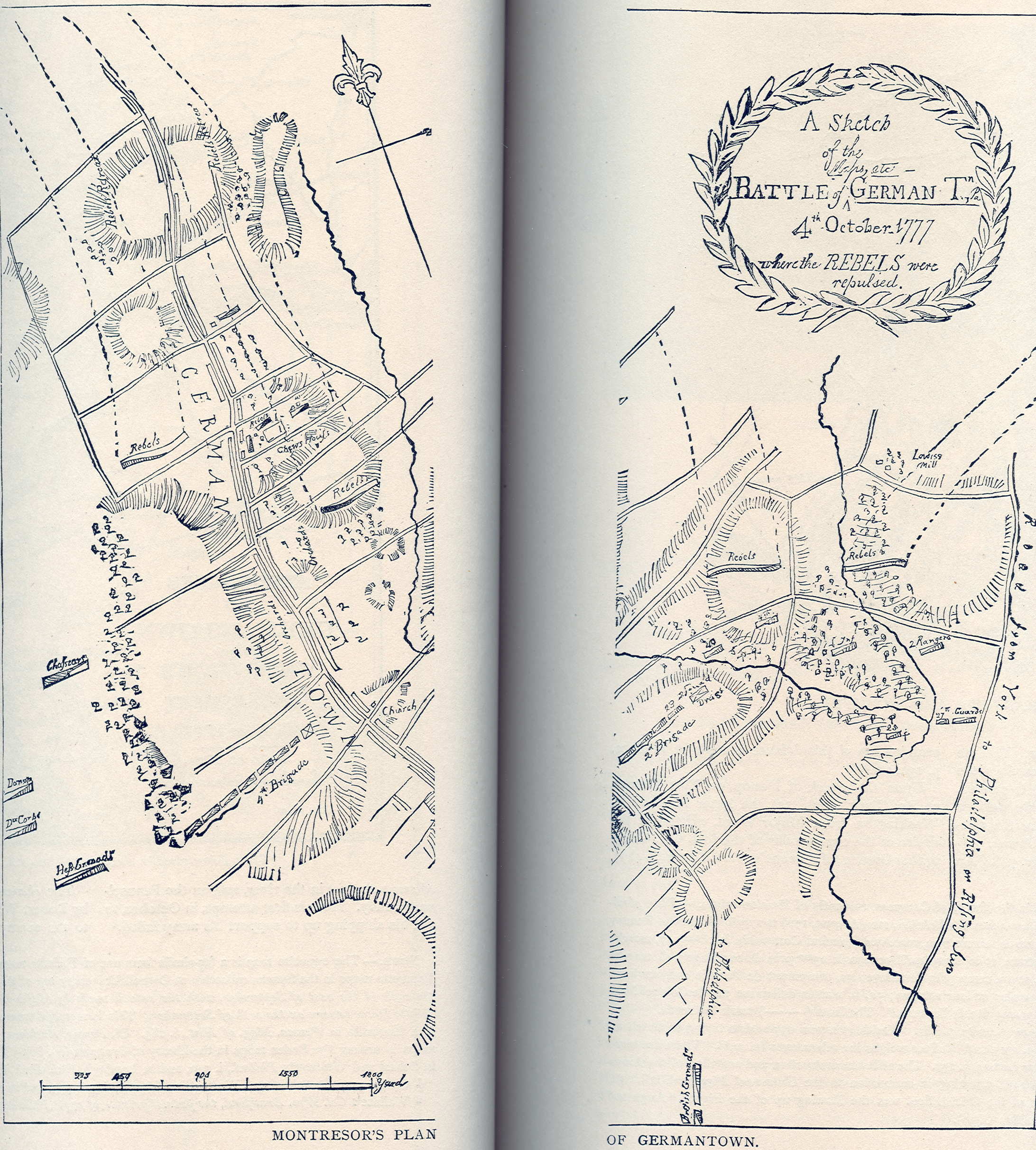
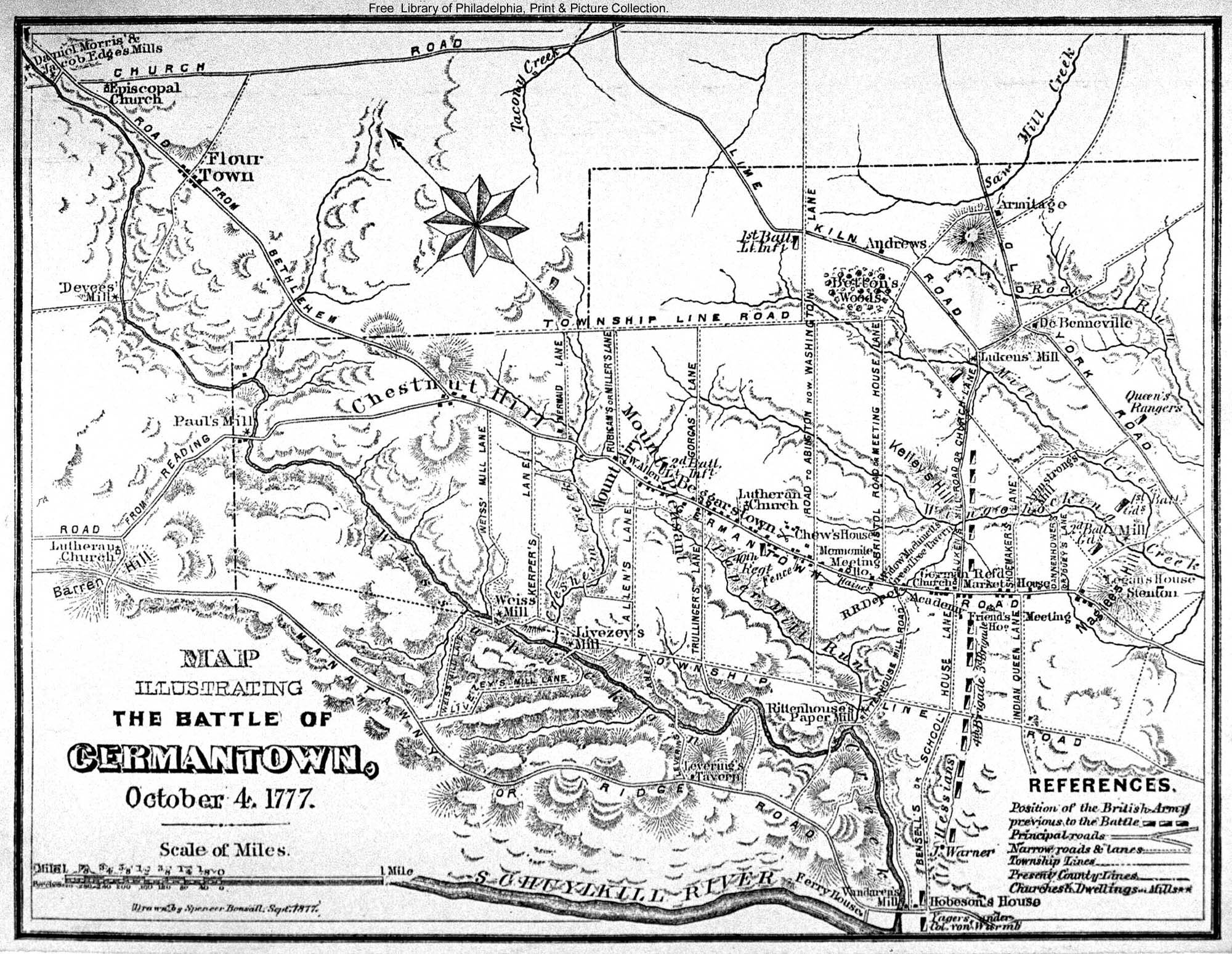
1777 Battle of Germantown, Montresor1777 Battle of Germantown, Montresor, Map by British Royal Engineer John Montresor of the Battle of Germantown, October 4, 1777.5
1777–1778 Valley Forge Encampment1777–1778 Valley Forge Encampment, Map of the Valley Forge winter encampment, where the 2nd New Jersey Regiment wintered with Washington’s main army.6
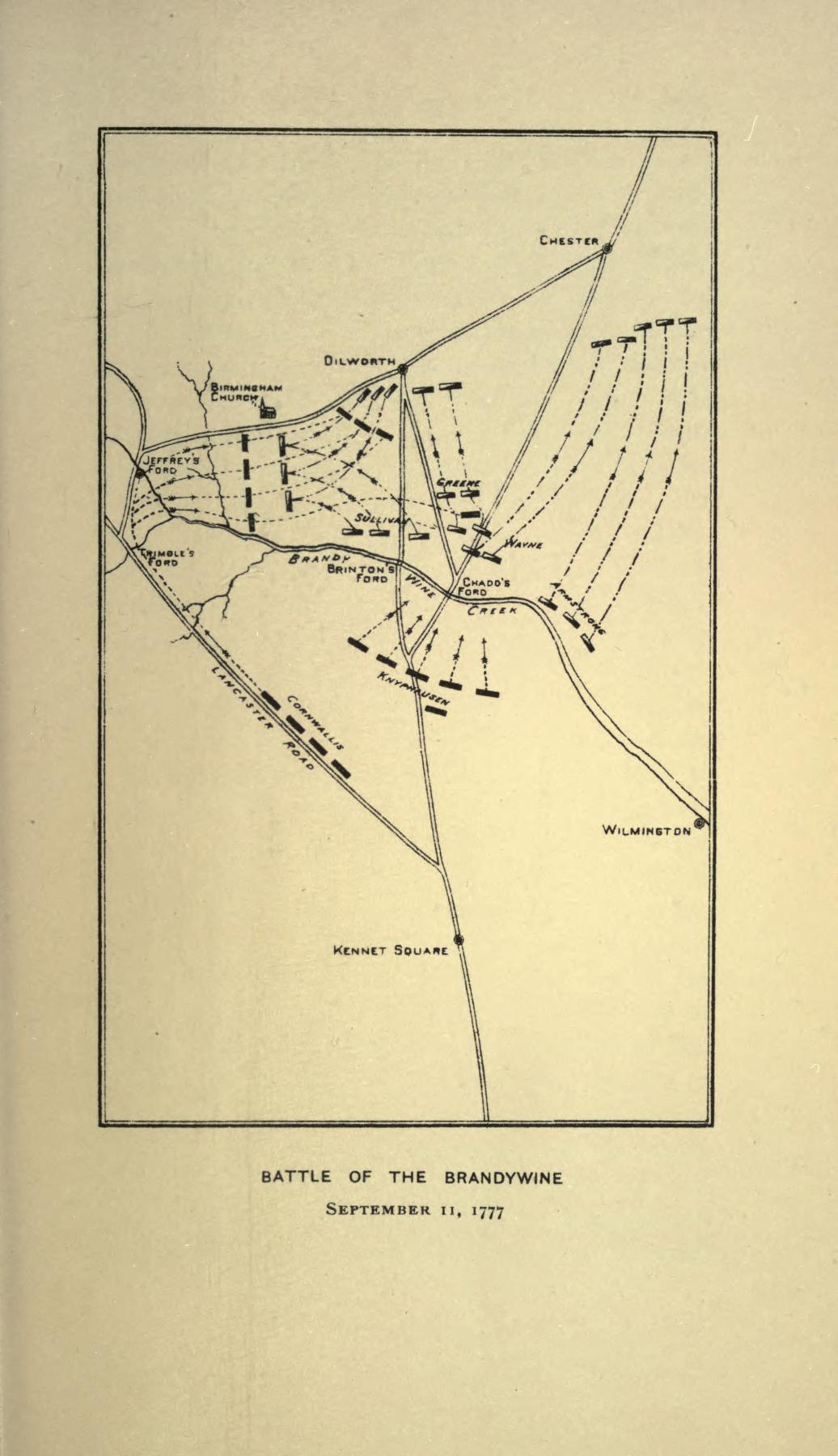
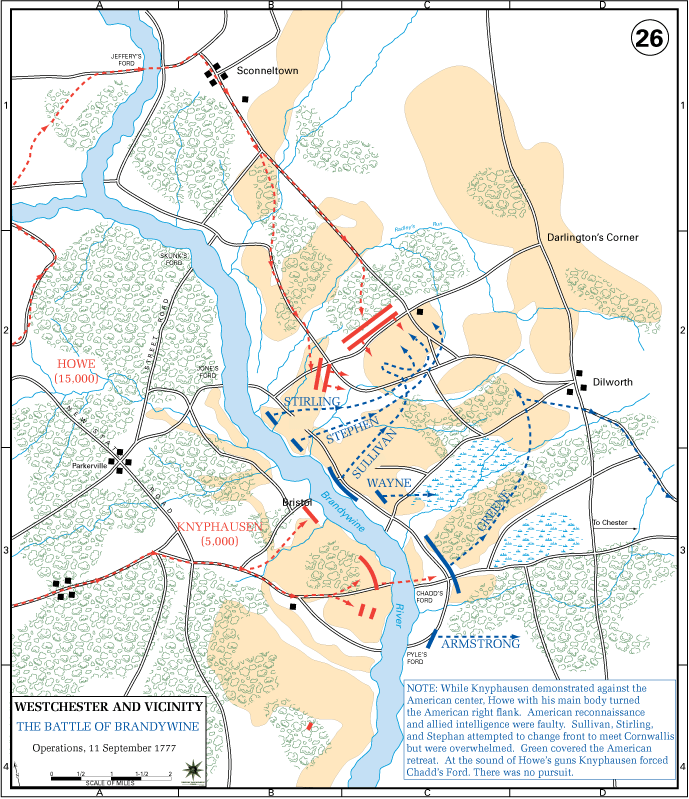
Battle of BrandywineBattle of Brandywine
Path towards American IndependencePath towards American Independence
Battle of Brandywine (USMA)Battle of Brandywine (USMA)
Battle of GermantownBattle of Germantown
British War Map 1776British War Map, 1776
His Majesties Forces in New YorkHis Majesty’s Forces in New York, 1776

Post Revolutionary War#

Maps for this period have not yet been added.

Revolutionary War Correspondence

This page collects excerpts from primary source correspondence, drawn from The Writings of George Washington and the George Washington Papers at the Library of Congress, documenting Major Richard Howell’s role as an intelligence officer and field commander during the Revolutionary War.1


Richard Howell’s Intelligence Operations, 1778–1779#

The greater part of the New Jersey soldiers’ time was occupied by such mundane duties as mounting guard, cutting wood, and maintaining garrisons in several towns in the area. There were occasional opportunities during this period for excitement or at least a change in the mundane rounds of daily living.

Revolutionary War Timeline

This timeline covers Richard Howell’s military service during the American Revolutionary War, from enlistment through his intelligence work, the major battles, and his resignation from the Continental Army.

Note: Where only a year is known, January 1 is used as a placeholder date.


December 22, 1774, Greenwich, NJ#

The Greenwich Tea Burning Richard Howell and his twin brother Lewis participate in burning British tea in Greenwich, Cumberland County, New Jersey, an act of defiance that marks the brothers’ entry into the revolutionary cause.[^1] See: Greenwich Tea Burning.